

Selwonk

THE MOVEMENT
The future of entry-level work is being rewritten.
Organizations are deciding whether Early Talent gets cut, deprioritized, reimagined, or expanded—and what role the next generation will play in the workforce ahead.
Selwonk develops Corporate Talent leaders to think, speak, and act like consultants from the seat they’re already in—building the strategic judgment, organizational influence, and leadership capacity to help their companies get smarter about when Early Talent is the right workforce lever, where it fits, and what has to be true for it to work.
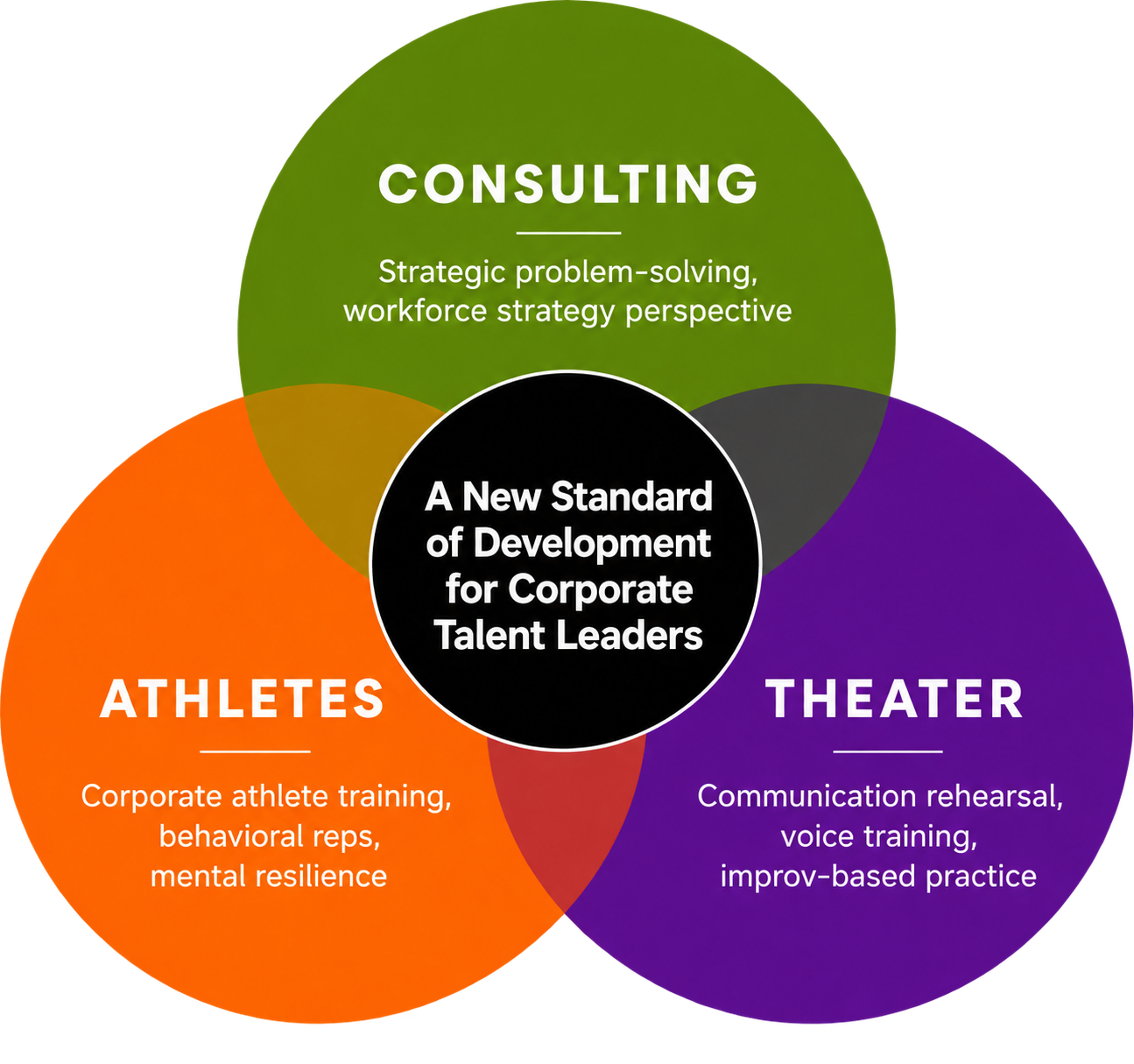
But this profession won’t evolve by collecting more best practices. Our approach combines the strategic discipline of consultants, the performance training of athletes, and the communication rehearsal of actors—so leaders can practice how they think, use their voice, and lead under pressure in ways that change how their companies approach Talent.
Reimagining Early Talent Leadership
WHO YOU BECOME
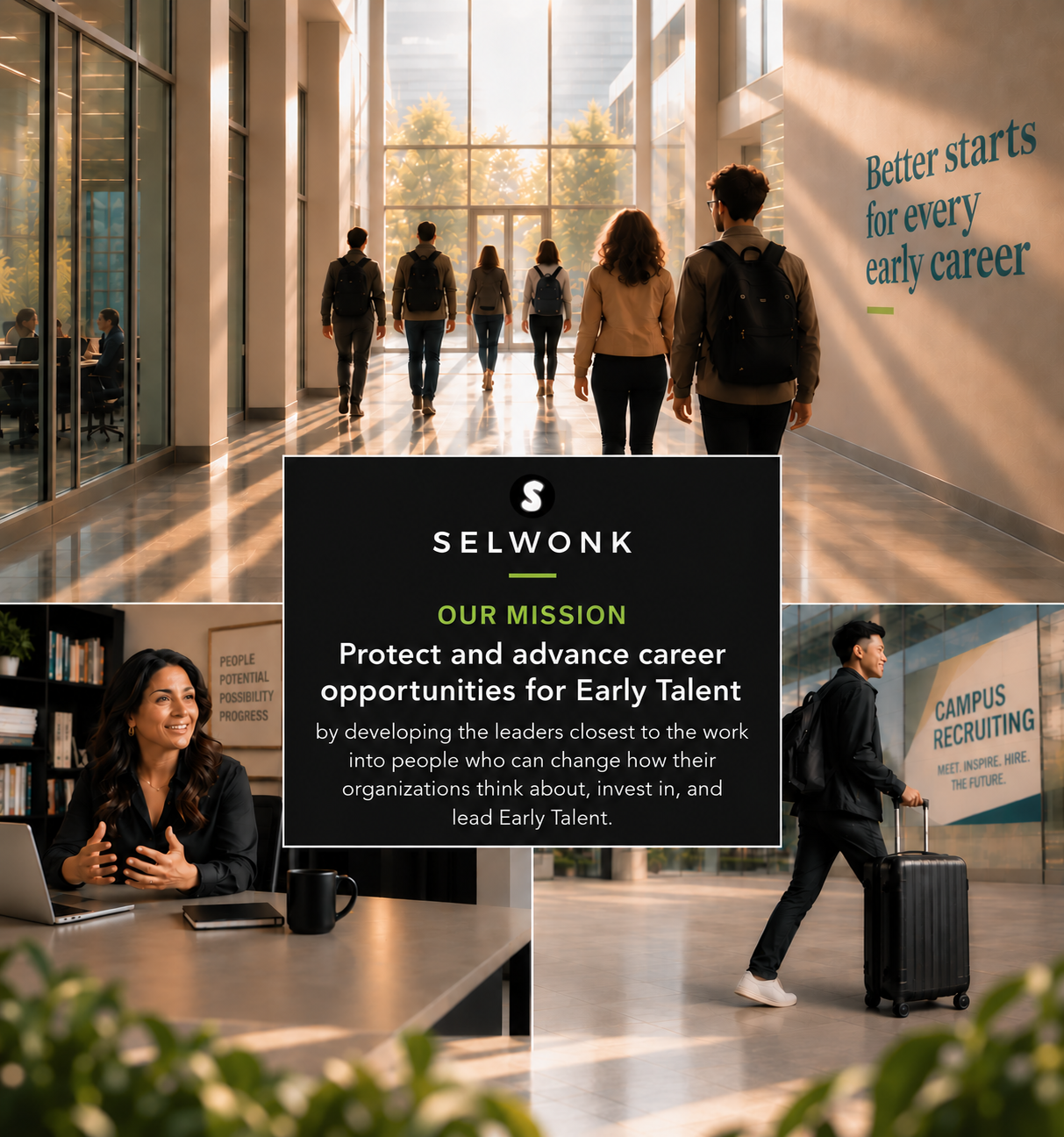
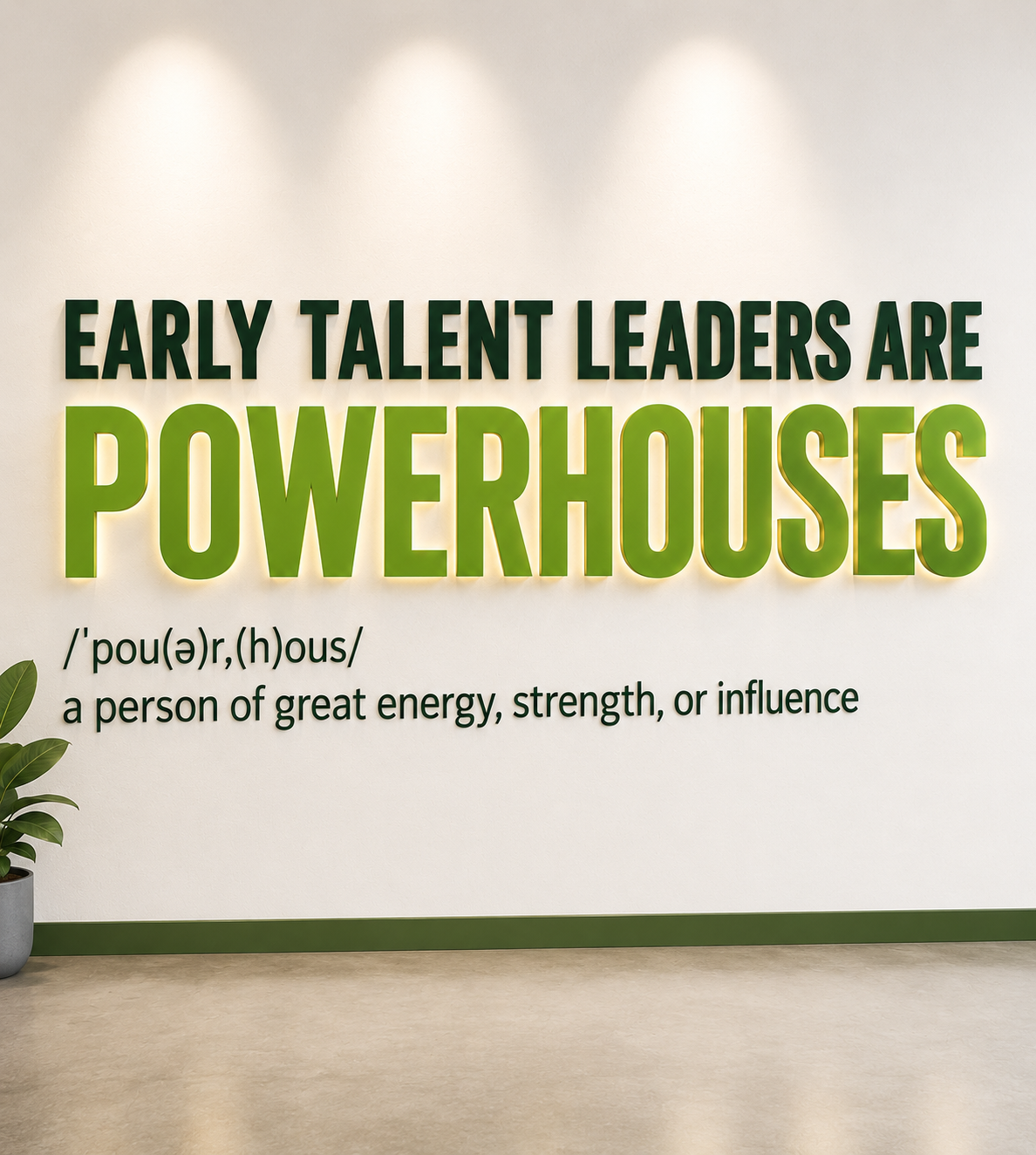
A Powerhouse is an Early Talent leader who can change how their organization thinks about, invests in, funds, expands, and ultimately treats Early Talent.
Powerhouses bring the best of consulting into the seat they’re already in—leading recruiting season not just as an operational sprint, but as a strategic influence campaign that strengthens their advocacy for what’s possible through Early Talent.
They develop 12 leadership capabilities spanning Strategic Workforce Leadership, Strategic Influence, and Operational Leverage—so they can make Early Talent indispensable to their org’s workforce strategy.

OUR FLAGSHIP DEVELOPMENT EXPERIENCE
Powerhouse Leadership Lab
A live cohort experience that develops Early Talent leaders into Powerhouses—equipped to think, act, and speak like consultants from the seat they’re already in.
OTHER WAYS TO WORK WITH SELWONK
Choose the experience that best fits where you are today.
-
The Powerhouse Leadership Diagnostic is a free, live 30-minute assessment designed to show you how you’re operating today—and the capabilities the next standard of the role is inviting you to build next.
-
A focused 30-day leadership reset to understand how you’re leading today, identify your highest-leverage growth opportunities, and build a personalized roadmap for what to develop next.
-
Personalized leadership development for Corporate Talent leaders navigating greater influence, complexity, visibility, and organizational responsibility.
Through one-on-one coaching grounded in Selwonk’s developmental methodology, you’ll strengthen the judgment, organizational influence, and internal capacity to think, act, and speak like a consultant from the seat you’re in.
Together, we work through the stakeholder dynamics, strategic decisions, and leadership pressures already in your role—changing how you think, use your voice, and show up in the moments that matter.
-
Leadership development for organizations building the next standard of Corporate Talent leadership.
Whether you’re redefining the role of Early Talent, strengthening strategic leadership across Talent Acquisition, or expanding Talent’s influence on workforce strategy, we develop leaders with the judgment, consultant thinking, organizational influence, and internal capacity to shape what the function does—and how the business sees its value.
Partnerships can include tailored leadership development experiences, workshops, ExecOS diagnostics, coaching, and strategic advisory support built around the realities your leaders and organization are navigating.
Not sure where to start? Let’s talk through what will support you best.
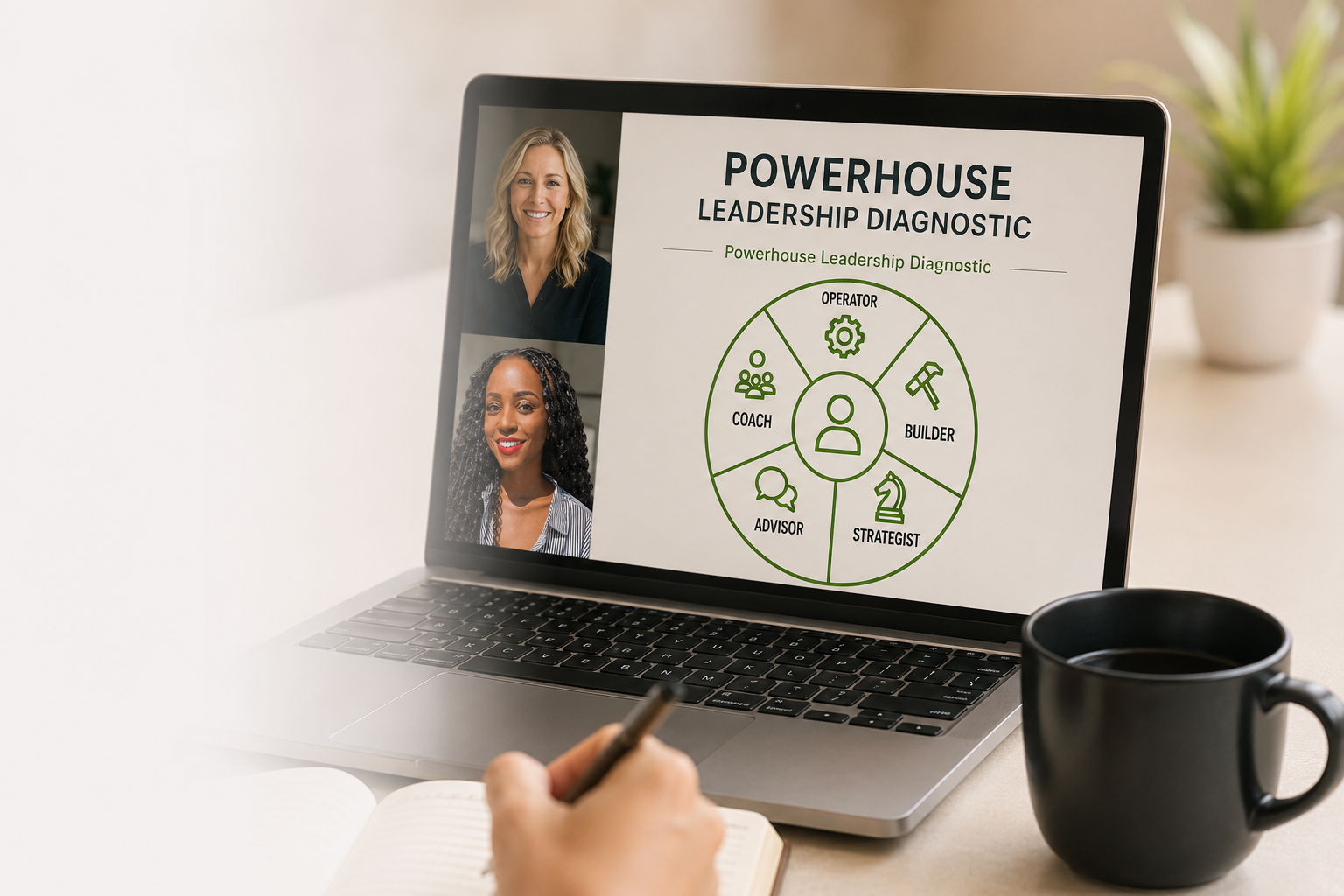
START HERE
What would it take for you to show up as a Powerhouse?
The Powerhouse Leadership Diagnostic is a free, live assessment designed to show you how you’re operating today—and the capabilities the next standard of the role is inviting you to build next.
NEW VIDEO SERIES
Think. Act. Speak. Like a Consultant.

HONE YOUR WORKFORCE STRATEGY CRAFT
Short, actionable lessons for Early Talent leaders using the Early Talent NINJA Framework™ to lead recruiting season not just as an operational sprint, but as a strategic influence campaign—making the case for what’s possible through Early Talent more credible, persuasive, and actionable across the org.
📍New lessons drop on Fridays
Part 3 of 5
Narrate the Season
Any lasting organizational change starts with a transformation of the leader behind it.
OUR DEVELOPMENTAL METHODOLOGY
We bring together the strategic discipline of consulting, the performance training of athletes, and the communication rehearsal of actors—because Corporate Talent leadership deserves that same level of rigor and craft.
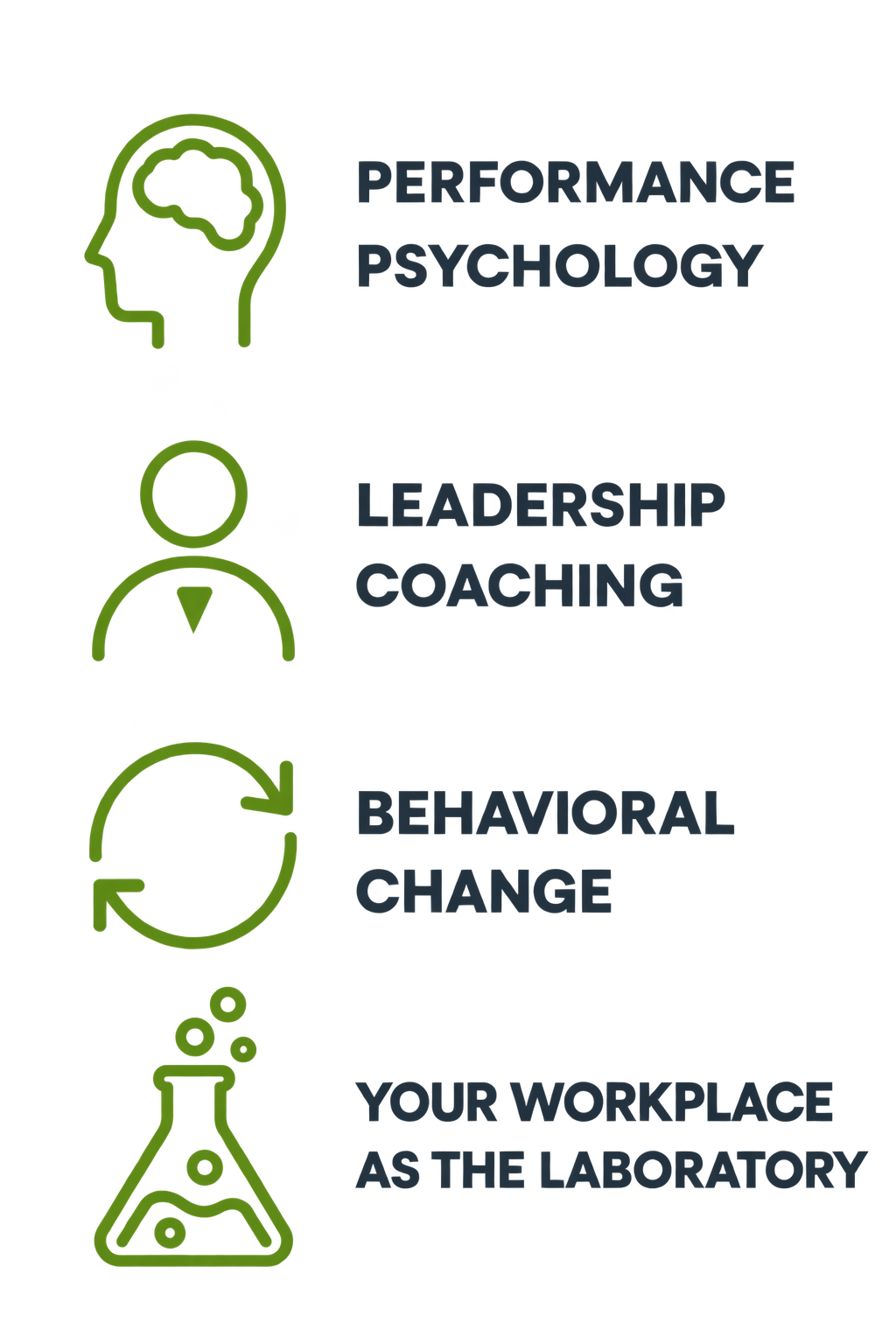
Rooted in performance psychology, leadership coaching, and behavioral change, leaders turn their workplace into a laboratory—practicing new ways of leading that change how their organizations approach Talent.

The internal operating system behind how you lead
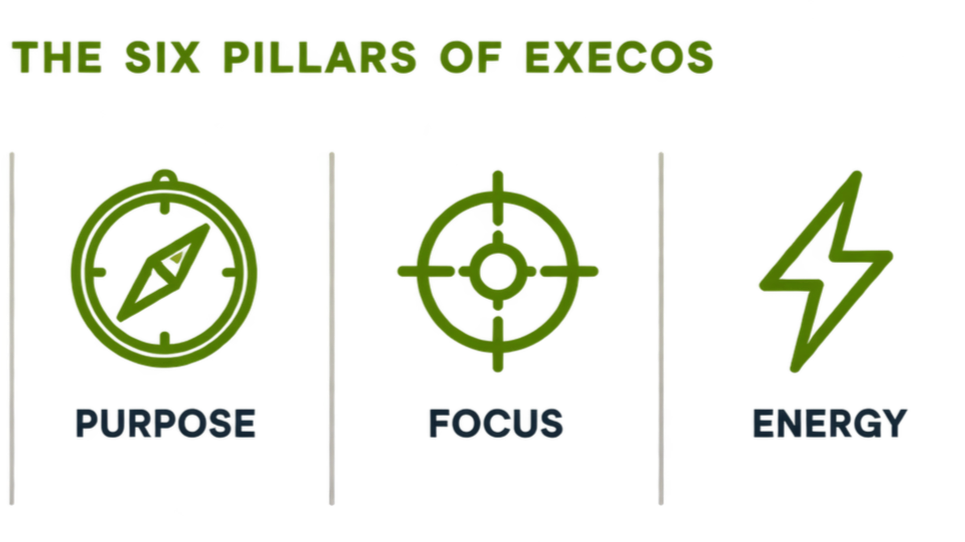
Every Selwonk experience is built on the ExecOS Method™, our proprietary approach to strengthening the six internal drivers of high-impact performance—expanding what leaders can access under ambiguity, visibility, organizational friction, change, and execution pressure.
Designed to make higher-impact leadership more available in the moments your mind and body are most likely to pull you toward limiting behaviors.
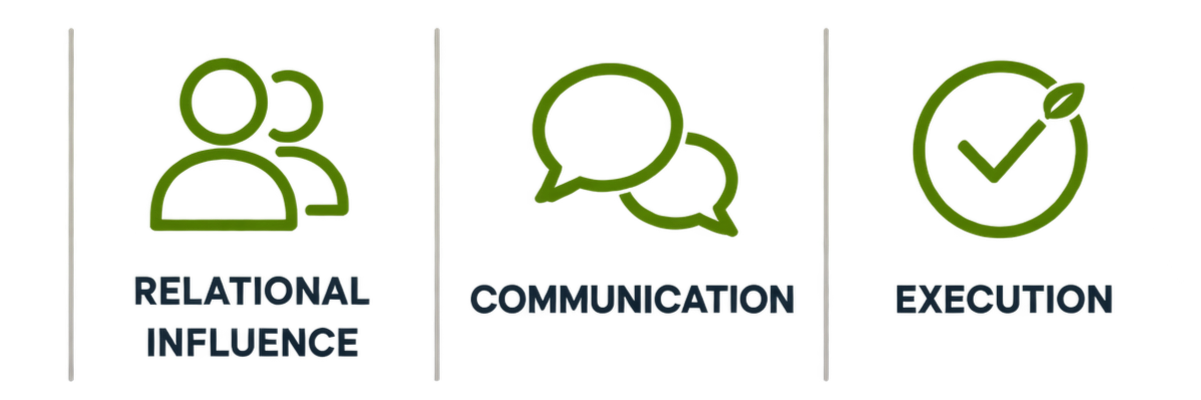
Growing Into the Next Standard of the Role
PROOF OF IMPACT
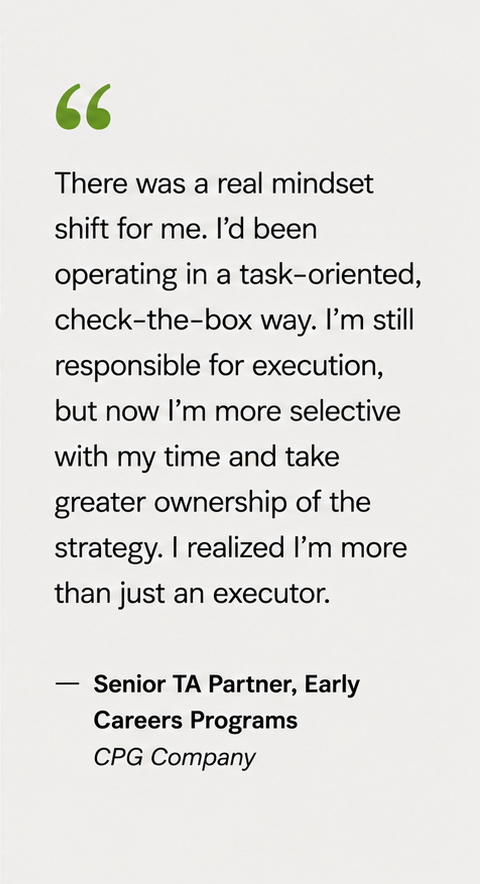
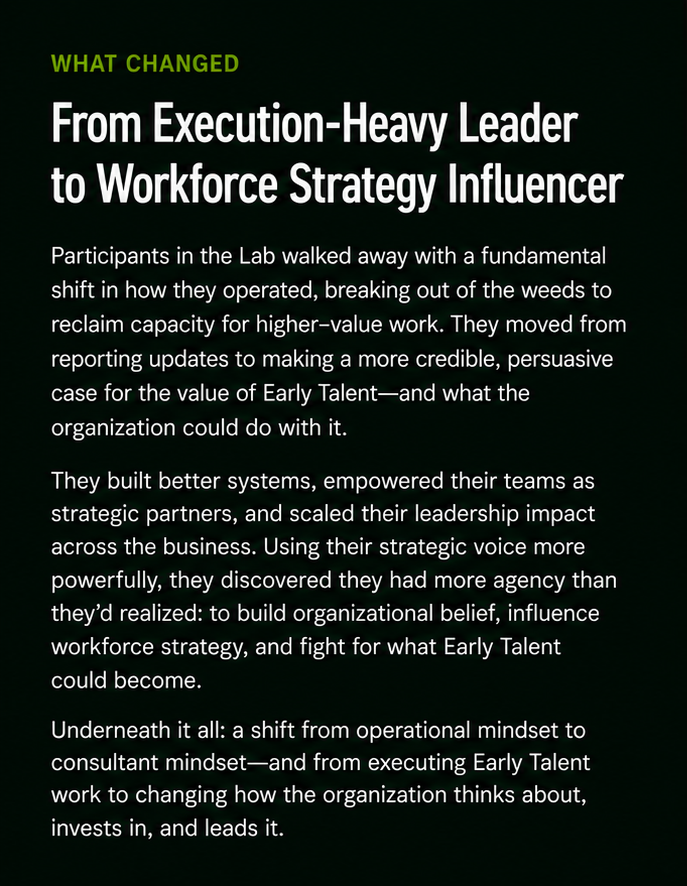
Through Selwonk’s experiences, Early Talent leaders don’t just learn new frameworks or collect more best practices. They change how they lead—and what becomes possible for Early Talent inside their organizations.



What would it take for you to make the shift?
YOUR TURN
The Future of Early Talent Leadership Is Ours to Build
Whether you’re ready to grow into the next standard of the role or reimagining what’s possible for your Talent function, the next era starts with leaders equipped to shape it.